
E.Q. | Brands that Tugged at Your Heart
Going DIGITAL / Talking GREEN ?

Are you as a brand or business or communicator doing the same? Well here’s a thought. Going digital alone may not be as green as you think or have been led to believe it is.
Do not get me wrong, marketing work-flow automation, digitization, etc. are a step in the right direction. However, their “greenness” may be getting over-stated when it comes to a marketing context and conscience. Marketers across organisations tend to add the green tag to all or any such initiative that they take without a holistic understanding of the carbon cost of such an exercise.
This overtly simplified rationale of digital = no paper = green may be where most marketers stake claim to green. This conventional wisdom approach was good enough two or may be three decades ago when “paperless office” was a buzz word.
RIGHT NOW is the time for the marketing tribe to step its game up and make green tangible.
I have seen EV cab operators give CO2 or Trees equivalent in their apps to make consumers aware of the impact of their choice(s). Utility companies moved from paper bills to e-mails. Many of the solar rooftop installation players too are using this ploy. The question though is, how much of it does a consumer really comprehend?
Yes paper bill to email was a timely step but who is making you aware of the green cost of the email? There is a green cost every time we search, browse, scroll, play or transact digitally.
The heart of the digital world lies in data centers. These facilities, housing servers that store, process, and disseminate data, are massive consumers of electricity. Firstly, they power the servers themselves, and secondly, they require extensive cooling systems to prevent overheating. Estimates vary, but studies suggest data centers collectively consume approximate 340TWh or 1-2% of global electricity.
A single data center often can consume the equivalent electricity of 50,000 homes.
Here are some assorted data points intended as food for thought:
Email: A single, simple text email has a small footprint (estimated around 4g CO2e), emails with large attachments can increase this significantly (up to 50g CO2e or more). The sheer volume – estimated at over 347 billion emails sent daily in 2023 (Statista, 2023) – means the cumulative impact is substantial. Furthermore, “spam” emails, which constitute a large percentage of traffic, represent wasted energy for processing and storage.
Digital Transactions: Financial transactions, online banking, and cryptocurrency mining require processing power and network usage. While a digital transaction is often more energy-efficient than a physical bank visit, the scale is immense. Cryptocurrency mining, in particular, is notoriously energy-intensive, with Bitcoin’s network alone consuming energy comparable to entire countries.
Social Media & Streaming: These platforms are particularly data-heavy. Streaming video accounts for a vast portion of internet traffic – estimates often place it around 60-80% of total downstream volume (Sandvine Global Internet Phenomena Report). High-resolution video streaming, scrolling through image-laden social media feeds (like Instagram, TikTok, Facebook), and video conferencing all require constant data transfer and processing, demanding significant energy from data centers and network infrastructure.
According to Meta’s own report on sustainability the net emissions were CO2 equivalent 7.5 million tons in 2023.
Aside to compliance led, mandatory or responsible reporting by global majors, the brands of today going forward need to help their consumers make informed choices in the context of today. This means making green-speak colloquial. Making impact relatable, tangible and in classic marketing sense rewarding.
Whether consumption patterns actually change if people were indeed made aware of the green cost of watching a season, placing an order on the internet, time spent on social media is debatable but given the dire state of our planet surely worth an effort.
As marketers, we can surely be conscientious about the next reel we create for our brand or the next e-mail that get’s triggered or notification we serve for a cart action.
Ready?
Brand New Resolutions MMXVIII
 Here’s the good thing about resolutions. You get to make new ones regardless of having lived up to them!
ABVS is back with its 4th edition of Brand New Resolutions MMXVIII. Here goes..
Start | Looking at BRAND COMMUNITIES seriously.
We have read about them and perhaps even are a part of them. There are very few brands though that realise the goldmine that they are sitting (or not sitting) on. We live in an era of co-creation. Brands especially consumer brands today are a lot more in the perception/imagination zone than they were ever before. What has changed? The level of consumer involvement, the accessibility and more importantly the influenceability!
In an Indian context, some brands that have already a community feel to them are Bullet (Royal Enfield) and the surprise candidate Maggi (Nestle). The community in fact rescued the brand during its quality crisis a couple of years ago. Brands like Renault and Sunsilk also have tried their hand at building communities but they were lacking sufficient amount of emotional adhesive!
ABVS hopes more brands (re)evaluate their potential and give communities a serious thought!
Stop | Randomly using SUNNY LEONE for brand endorsements.
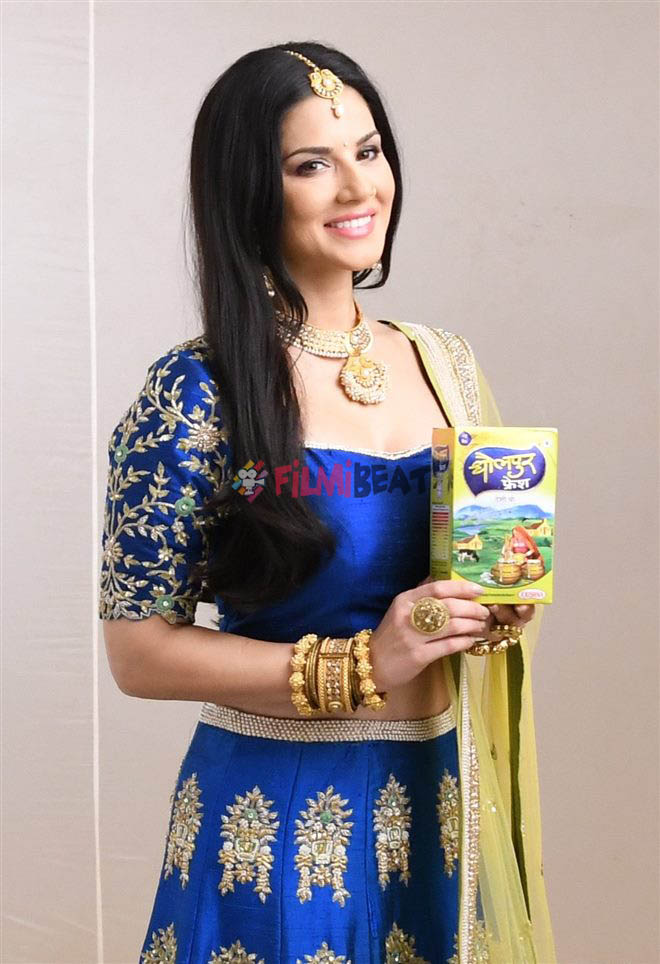
Yes this was in the less of category last year and no I have nothing against the lady in question. These random celeb endorsements really have to stop! While it was Pierce Brosnan last year it’s Sunny Leone Dholpur Ghee TVC this year. Brand managers/business owners who chose SUNNY LEONE as their ambassador need to really think hard rather than just feed a fetish! Came across this ghee (India clarified butter) ad. What were they thinking?
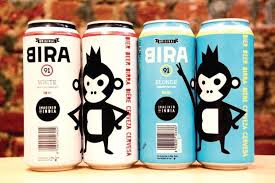 More of | Re-imagination. An INDIA take on things.
The way BIRA has built it’s product and brand over the past couple of years has been amazing. The beer is giving a serious fight to some premium beer brands of international stature. The beauty of it all an Indian take has not meant “MASALA FLAVOUR”. Another example from the same category is “Amrut” a brand of Indian Single Malts that has stormed the high castle of the Whisky world. So here’s looking forward to more Indian takes that are aimed for the world.
Less of | REINFORCING STEREOTYPES (PROPAGATING TROPES)

Perhaps the makers of these ads did not approach it that way. Perhaps they thought they were actually quelling the associated stereotypes. I use these two ads as examples of how stereotypes get reinforced. The problem? The messaging of these ads is nuanced. The audience these brands target not necessarily so. In wanting to depict a new, evolving face of modern India the communication of these brands has in my humble opinion has reinforced the stereotypes.
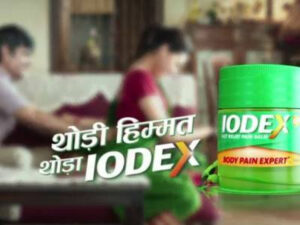
A working woman needs to cook for her mom-in-law, that there is a difference in saying Mummy and Mummy ji, that contribution to a household has to be in cash etc. etc. Our culture code and conditioning might just filter the progressive message. It’s about time communication took stereotypes head on and not in a round about fashion.
Brand New Resolutions MMXVII
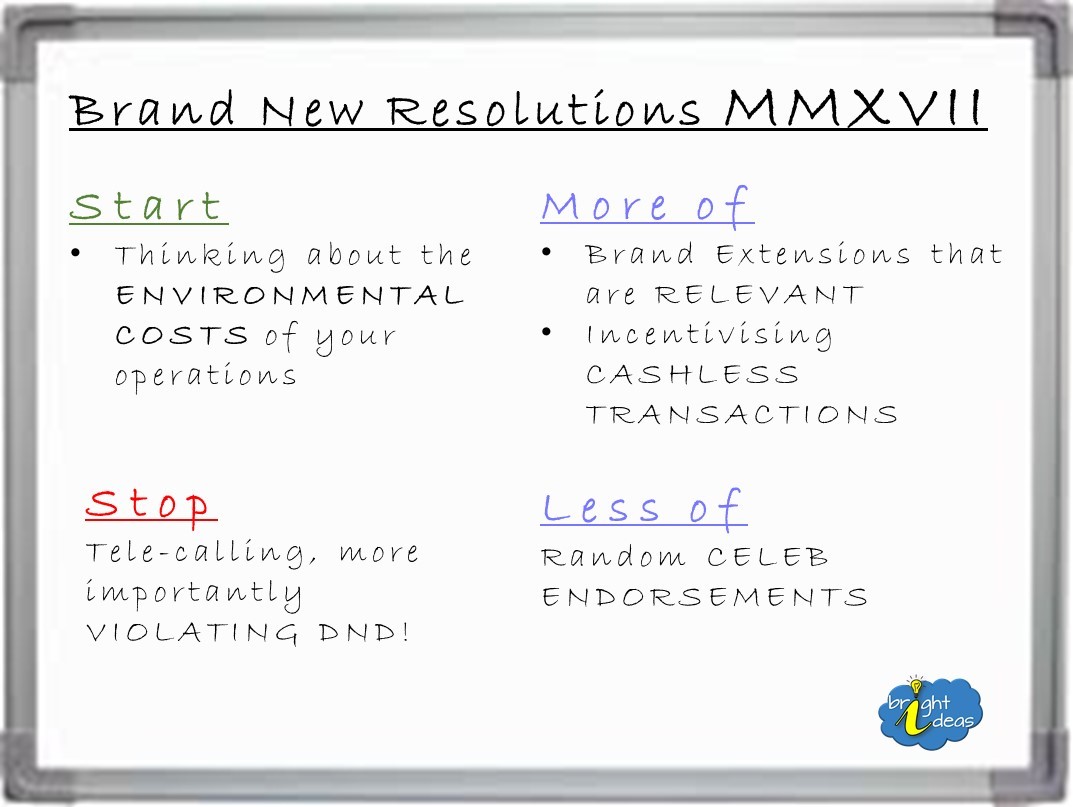
Yeah yeah someone hasn’t really lived up to his resolution of at least one post a month on ABVS. The lack of posts notwithstanding there has been a steady increase in the people following ABVS on Facebook and Twitter. So let me end the year on a thank you note and propose the customary Brand New Resolutions for 2017.
 Start | Thinking about the environmental costs of your operations
Yes! And all aspects of impact not just the in vogue concepts such as effluents and carbon footprint. Brands as organisations need to lead the change. The long hours, the long drives it all adds up doesn’t it. How about mandatory Work from Home for 20% of the staff every day? That would take 20% traffic off the streets on a daily basis across modes of transport. How about having no fixed no long hours days in a week? At least a day in every office where things close down on time. No ACs running while for four individuals in an office of four hundred! Sure the feared loss of productivity shall be more than made up.
 Stop | Tele-calling: More importantly violating DND!
This one goes out especially for the financial product brands. I don’t know of anyone who actually has benefitted from the unsolicited advice or has actually gone ahead and bought something as a resultant of such a call. Acquaintances in the know of the business though tell me otherwise. With all due respect there at least needs to be far lesser invasion of privacy. A relook at the frequency, Do-not-disturb etc. is sure warranted.
 More of | Brand Extensions that are Relevant
Was heart-warming to see Paper Boat introduce Chikki.
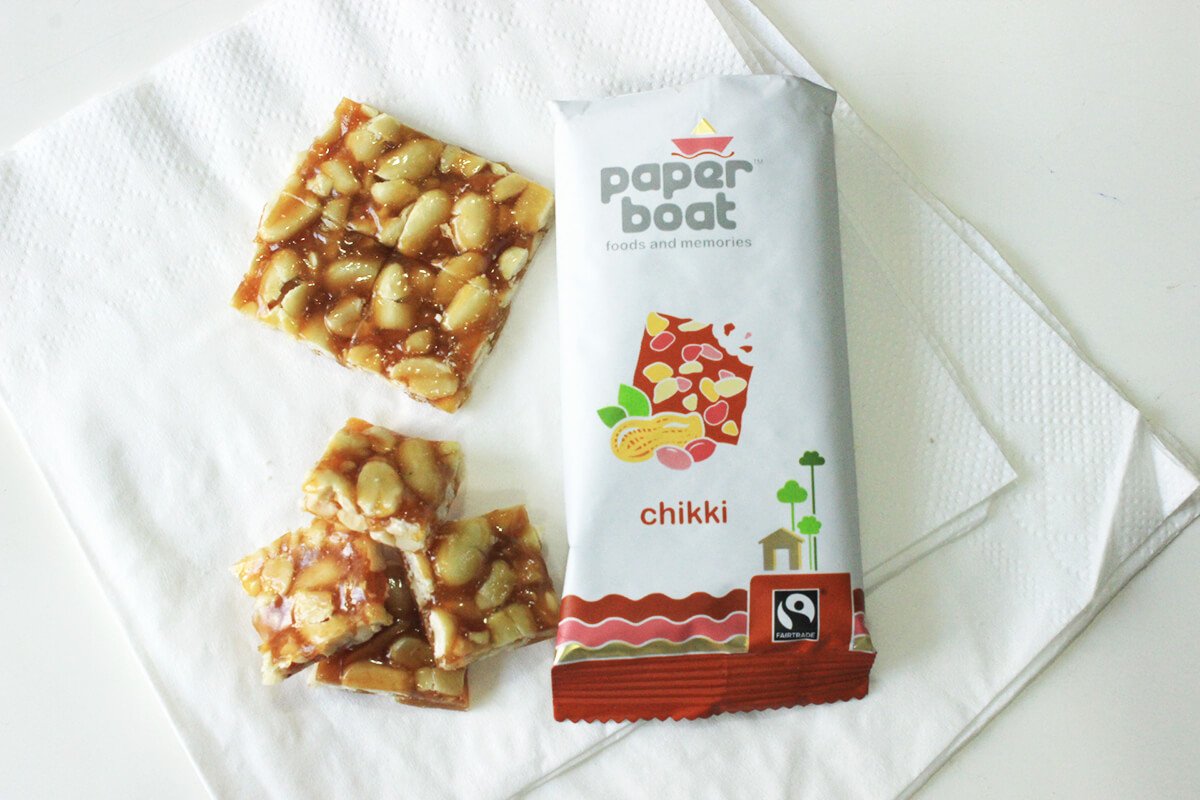
Not too sure how successful the exercise has been. Several factors such as pricing and distribution etc. shall determine the fate but presume its early days yet and wish the product the success it deserves.

More of | Incentivizing Cashless Transactions
I know the Wallet companies have mastered the art of cash-back and discounts for consumers. It’s time now for the brands to give fillip to the dream of a less-cash economy if not a cash-less one. There is room for improvement and even some savings in the last mile of distribution if cash-less transactions are implemented.
 Less of | Random Celeb Endorsement
The shocker of Pierce Brosnan holding up a tin of Pan Masala in a full page ad is the example that comes to mind.
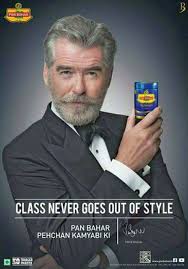
To the brands credit the category has for forever been trying to connect the habit of chewing pan masala to being classy even regal. Perhaps the Ashok Kumars, the Shammi Kapoors and more recently the Manoj Bajpais of the world were palatable. Getting Pierce Brosnan to endorse perhaps pushed the envelope a bit too far.
The Brand Legacy

We live in some very interesting times. A competition or contest of any kind makes for an interesting read or watch. Politics perhaps has been the longest running entertainment show known to civilization. Politics is also an important teacher of strategy as much as it is a practitioner.
Ever since the new BJP (Bharatiya Janata Party) led government has been sworn in, its predecessor in government, leader of the alliance and hitherto India’s principal political party, the INC (Indian National Congress-I), has been fighting a battle of existence. Its diminishing relevance to the political context has its leaders vexed and despite the bravado, extremely worried.
No, this is not a post on politics. It’s a brand view on the latest tiff between the two that has been hitting the headlines. One may argue that it is media created but the fact is spokesperson from both sides are eagerly firing salvos.
The allegation is that the BJP government at the centre is systematically hijacking and ‘appropriating’ the icons of the INC. Mind you, the reference is to tall leaders of the nation such as Gandhi, Patel and Nehru; the makers of modern India.
How so? Well first up (and well before they came to power), the BJP took up the cause of reviving the forgotten legacy and contribution of Sardar Patel. Next, one of BJP government’s biggest initiatives – a cleanliness and sanitation drive “Swachh Bharat Abhiyaan” was dedicated to the memory of Gandhi.
Now, for long years these brands have been considered property of the INC simply because they were members of the same and for over 50 years of independent India the INC was also the ruling party. They were the inheritors of the ‘legacy’!
Roads, railway stations, bridges, schools, universities, hospitals, you name it, have been christened or re-christened to keep the memory of the leaders alive. Scores of government schemes too have been named after them.
So what is new, one may ask. Well, it is the bold in your face use and invocation of the names of these leaders by the BJP that seems to have ruffled some feathers.
In what may in hindsight have been a strategic masterstroke, the BJP think tank instead of creating and building new “brands” read use the names of their founding leaders chose to stick with the mega brands that were already present. Not that there have been no great leaders in the BJP or the Janta Party from which the BJP was formed. Jaiprakash Narayan or Dr. Shyama Prasad Mookerjee or Deen Dayal Upadhyay or even former prime minister Atal Behari Vajpayee they were all stalwarts.
What then are the benefits of sticking with the likes of Gandhi, Patel and Nehru?
- The positive perception that BJP government is embracing the leaders of yesteryear. Thinking of them in their capacities as icons of the nation and not a specific party.
- Not creating new brands also shows the BJP as not practicing the sycophancy that INC has often been accused of.
- Brand Gandhi, Patel & Nehru do not need to be explained. Their values and what they stood for atleast at a surface level is already known; for generations. They are names you come across everywhere from textbooks to airports.
- This is a young country eager to move forward, something we referred to in a previous post as well. 60% of this country was born after the emergency era and over 40% post liberalization. The romance of living through the emergency, the ideological wars have no relevance since they were never eulogized outside of the so called intelligentsia. Establishing JP or SP Mookerjee or Upadhyay and their values would take years bringing out from the intelligentsia to the masses.
- Even in the use of the brands the BJP has hit the nail on the head as far as using them for what they stood for
- Gandhi for equality and human dignity. Connected with Sanitation as a human right and linked with his famous quote “Cleanliness is next to Godliness”.
- Patel for unity. Often accused of being divisive in ideology, the BJP’s use of Brand Patel has been masterly.
- Nehru for progressiveness and scientific temper. The last nail in the coffin so to speak. With the 4th generation of Nehruvian descent vying for the top job, the INCs last minute scramble for Nehru’s 125th birth anniversary celebrations has been subject of ridicule.
Lessons in marketing again, a seemingly successful strategy of taking latent brands, connecting them to contemporary requirements in a relevant manner. For the bean counters fantastic Return on Marketing Investment!
To Cut A Long Story Short
 Brand pundits have forever stressed on the importance of brands creating long term associations. There is a vast choice of media that is available today to brand managers and media planners. Given a scenario where investments are often spread across disparate media, the onus is on the brand to tie the choices with a meaningful message.
The new century and the social media boom gave a new meaning and a fresh lease of life to what have come to be known as Integrated Media Properties. These are typically brand association opportunities that are multi-platform including a combination of TV, Digital, Print, OoH and On-ground events. The most popular being Live Action Sports events, Reality Shows and Award Functions with varying doses of the Bollywood glitz and glamour.
The media houses in order to retain a larger chunk of the marketing dollar conceptualized and networked to create more and more such opportunities throwing in dollops of commercial time, screen space, you name it to maximize brand presence. The agencies as expected were quick to evaluate and ascertain value of each such offering. Huge outlays were made possible with the promise and lure of multiple X returns on marketing investment. The brand teams were happy since they now had a “property” to associate with, build and nourish long term. The agencies and media houses of course were too happy to rake in the moolah. The bean-counters all round were happy too.
Nothing as they say is perfect! Soon with the pressures of economy and other dynamics the brands were shy of making long term commitments and vary of huge outlays. Owning a property didn’t seem that attractive. Several wound down.
Only the property “IP” owners with staying power remained in the fray. However, they sold the dream in parts to realize their investment. The “integrated multi-media platform” and “long term association” story that was used as the foundation crumbled under economic pressures.
There are several examples of “properties” having changed hands. However, to highlight the case in point I will take the example of the Champions League T20.

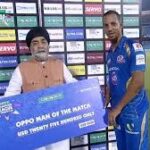






CLT20 and Sponsors over the years 


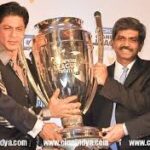
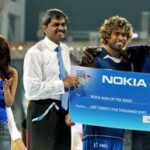
This cricketing event was almost force fitted into the international cricketing calendar. In its 5th edition the property has already had 4 brands as its title sponsors.
Airtel, for the inaugural season followed by Nokia the very next year, Karbonn for the next two seasons and now Oppo for the 2014 edition. The brands (Basis the Most Trusted Brands Survey) and the brand muscle eroding every subsequent year.

The full page ad that appeared in ToI on 17/9/14 had no mention of the sponsors. 
Gone were the benefits of long term association and even the media platforms if at all integrated, were not all available to the brands. Being the “Title Sponsor” no longer meant getting the fully loaded top end version with all bells and whistles. With the long term vision being out the brands did not really “own” the property and nourish it with their support across their other assets to engage the TG.
The best associations often become integral and a given. Some great examples of association exist in sports like tennis, football and F1. Wimbledon and Rolex, French Open/Davis Cup and BNP to name a few.
Marketers being marketers, “impact properties” became a more popular term of reference.
I am sure the numbers on RoMI all still add up. The question really is whether the brands are really building an association with the TG?
The Last Laugh
 It takes something special to laugh at yourself. To do that not just in front of a mirror but it full public view, you need to have tremendous confidence in your ability.
We would have often seen brands employ humour in their communication. There are certain brands which are known not to take themselves seriously, they are about having fun and they do it unabashedly. Then there are brand that mock their competition. But very seldom have brands mocked themselves.
We have often talked about individuals as brands and in a celeb obsessed country like India we have quite a few. But the masses are fickle they can put you on top or grind you to the ground.
This article is inspired by two examples where the protagonists had the courage to do it. Yes the communication has not been initiated by them but the fact that they chose to be a part of it speaks volumes. They took the risk of facing ridicule. One is an example of someone who has done it at the very start of their career, the other one at the ebb.
Alia Bhatt
Sourav Ganguly
http://www.youtube.com/watch?v=xFkJNlvtqYs
Like I mentioned to laugh at yourself needs confidence in one’s own ability. A confidence that comes from not only understanding the strengths but also the weaknesses. It requires resilience.
And what is it not?
Laughing at one self is not just demonstrated by the ability to take things in the lighter vein. It definitely is not about clowning around.
It’s about taking the bull by the horns. It’s about putting yourself out there to be judged with all your defects and inadequacies in the open. The risk is great but the rewards are far greater.
Can brands take a leaf out of this book and do the same? Can they take a weakness and convert it into a strength? Laugh or ridicule themselves openly and then comeback even stronger? Can they have the last laugh?
Well as they say, “Nothing ventured noting gained!”
A Bridge Too Far: When VALUE brands dream BIG(ger)
 Dream big they have always told you. To be honest, who amongst us doesn’t want to be the best they possibly can be? Well, that is where reality comes in. In the real world, there’s a difference in the trajectory flights of fancy and engineered flights take.
As marketers we have often looked at, wondered about and some of us might even have worked on products or brands that attempted to become a radically different version of their accepted selves.
This post takes a look at a few cases where the brands went against the grain, took the leap but fell or might end up falling short. Of course hindsight is 20/20. Here’s a take on what perhaps the brand bosses might have said to themselves before diving head-first.
“The product is worth it” or “We shall communicate rich” or “We’ll price it premium” etcetera etcetera.
Could work on any given Sunday if you did not have brand baggage to contend with. There are very few brands that the world knows of that entered at the value end of the spectrum and rode up to aspirational end. While some have made successful attempts with new brands, for some others the converse holds true.
Brands as they get built over time create their unique identity. This gets supplemented with the kind of products the brand puts into the market, the brands communication etc. Young & Rubicam’s BrandAsset™ Valuator Model is an interesting method of measuring brand value and relies on four fundamental elements of Differentiation, Relevance, Esteem and Knowledge that it says over time determine the strength and status of a brand.

Now for argument sake let’s construct how a Value brand’s strength and stature graph and compare it to how an aspirational brand would stack up. Intuitively one would say that a value brand does not normally offer great differentiation, is under consideration largely owing to the product category being high on relevance for the consumer, does not have outstanding credentials but makes the cut due to consumer’s familiarity with the brand. Simply put the customer does not mind buying a value brand, the brand deserves you.

An aspirational brand on the other hand is extremely differentiated in the consumers mind, high on relevance as the consumer is thinking he or she is deserving of the brand, held in high regard owing design or innovation pedigree and has an intimate connect with the consumer.
A brands image has tangible and intangible aspects and often it is the quantum of intangible that determines the premiumness/aspirational quotient of a brand. The sources of this “added” value could be the brand name itself, its outlook, its communication or how it is priced. The signature of an aspirational brand is its ability to command a price without having to justify it.
A Maruti Suzuki can make cosmetic changes to its entry level-mid level cars such as the Alto, Wagon-R etc. and continue to be a volume leader, however it fails miserably when it has to justify a high end Kizashi. Similarly for Tata Motors it can be fairly successful with a Safari but not Aria. No amount of “first of its kind” communication tickled any consumer fancy. These brands maybe are too entrenched in their “value” image and need to move mountains to justify even a slight premium.
While the Ferrari’s and the Lamborghini’s of the still fall under the “Unlikely to own” bucket for Indians their less flamboyant European cousins are perceived to be worthy of the premium they charge.
Coming to gadgets and gizmos, having tasted success with their entry and mid segment mobile phones brands like Micromax and Lava with their new brand are attempting to take a slice of the mid-high end pie of the mobile phone market in India. Micromax with Hugh Jackman and Xolo with their positioning pitch high. While one has brand baggage, the other is an attempt at building a brand ground up.
http://www.youtube.com/watch?v=R_UKea_y_dc
Trouble is they neither have the pedigree nor the sit-up and take notice kind of innovation to catapult them.
In the final analysis these brands would have been unable to build a bridge between their “value” roots and “aspiration” dreams.
Another perspective, they just might have moved from being a value brand to a valued brand. Who knows?!
Lost In Translation: Do Unrelated Brand Extensions Erode Brand Value In The Long Term?

Its election time in India. Starting April 07, the world’s biggest democracy shall go in for a marathon round of voting that would be spread over a month. The election jamboree has several contestants and in the fray are people from different walks of life. The noteworthy ones though are the contestants who have been in the public consciousness but for totally different reasons. If celebrities be considered individuals who are brands that they are courtesy their achievements/fame in their original profession. Their foray into politics therefore, is akin to a brand extension.

Now as marketers we are familiar with extensions and have seen many such examples. It is the author’s humble opinion that brand extensions into un-related categories are detrimental to the brand. Now I do not have empirical evidence to back this but more often than not, the brand attributes that made the brand successful in its space would not resonate with consumers in an un-related space. Yes there have been brave attempts at looking at a core set of values and carrying forward those elements that are relevant to the spaces related or otherwise that the brand is being carried into.
Since there is a constant back and forth amongst marketers regarding brands as people and people as brands (also the starting point of the current discussion), it would only be fair to look at things through Kapferer’s Brand Identity Prism

Just to refresh the model suggests that there are six facets to brand identity. As with individuals there is what gets projected and communicated and there is what gets received and understood.
- Physique: The brand in Its physical/tangible form eg. colour, packaging, product form etc.
- Personality: How the brand projects itself. Fun, young etc.
- Culture: A set of values that feed the brand.
- Relationship: the brand has with its consumers or stakeholders i.e. aspirational, inspiring, motivating, ostentatious etc
- Reflection: An image a brand creates regarding who its typical user would be. Example Blackberry with QWERTY phones for executives.
- Self-image: What the brand does to its consumer’s image of self. For example, ladies hand bags from fashion brands perhaps project “I can afford it” for a bulk of their consumers.
Coming back, the contestants in this election range from the “have-beens” to the “could not have beens”. Movie stars, sports persons and business icons they are all there. If one were to critically assess any one of them with respect to the brand that they have built in terms of elements 2 through 6 listed above with the assumption that physique is something they cannot easily change, most would find diminished relevance of their established identity in the new space.
Yes there have people who have translated their success in one field into success in another but the examples are few and far between.
I will defend my case with two examples one a business brand that made an extension into an unrelated field, another an individual. Both brands that attained dizzying heights forayed into an unrelated spaces and ended up eroding if not decimating brand value in the final analysis.
Exhibit#1 The individual: Amitabh Bachchan arguably India’s biggest movie star and an icon for millions of Indians across generations. The Big B as he is popularly referred to made according to him one of the biggest mistakes in life when he chose to enter politics. A super-star he contested elections from Allahabad, UP, India and dislodged a stalwart. What followed were years of turmoil as he got embroiled in allegations of corruption that tarnished his image. It took Amitabh Bachchan the brand over a decade to rise from the ashes, a deed that not all can perform.
https://www.youtube.com/watch?v=6jj7z7rt_9E
Exhibit#2 Kingfisher: Originally a beer brand it was extended to an airlines. The brand attempted to translate “the good times” value to the service industry. From offering a low-fares to the concept of premium economy the brand threw everything including the kitchen sink at the customers. Perhaps one of the better executed transitions only from a process standpoint. The change in logo from a perched Kingfisher to a flying one, the launch and the initial follow through were commendable. However, the ambitions were all consuming. The brand and the business were unable to reduce the revenues vs expenses gap and finally the airline operations that commenced sometime in 2004-05 came to a grinding halt in 2012-13. There is sure to have been damage of the episode on Kingfisher the beer brand, pretty sure some enthusiasts would be out there collecting the before and after data for Kingfisher.
The Sound of Music: KaChing!!
 Rare would be the people who’d say they dislike music. That being said how many of this majority that loves music would be willing to make an “effort” either monetary or physical to acquire music. We have been living in the age of digital music for almost a generation now. The era of vinyl discs (gramophones), audio cassettes and compact discs is long gone. With that has also gone the tangible aspect of music. Piracy has afflicted music industry for a while now. Somehow when it comes to copying, sharing and transferring music it is not a question of scruples. There were days we’d get the music dubbed from one cassette to the other today we just transfer it from one memory stick to the other. One of the leading record labels in India started off distributing pirated content and illegal covers. The readers of this post may belong to different generations but almost all would be guilty of acquiring music in, to mildly put it, not a legal way. For most of us therefore music is “Free”. Chris Anderson in his book by the same name goes on to define and describe various kinds of free. Piracy he says is an imposed form of free.
With this as a background, creating a music service and offering it to consumers is rather a brave effort especially in a country like India where ahem…scruples are a non-issue. So have brands not made the effort to monetize music? Sure they have, snack sized music in terms of ringtones and CRBT (Call Ring Back Tunes) which has metamorphosed into a multi-crore industry. What about pure play music then? Yes there have been brands that have carried the torch for that as well. With that have emerged different business models for monetizing music as a service. The Apple iTunes store did not launch in India perhaps for these very reasons.
http://www.youtube.com/watch?v=urfAKVjqn4I
Nokia altered its concept and delivery of music radically when it launched its music store and comes with music. There was an evolution in the way “free” music was delivered. Initially, select devices that were positioned as music devices started coming pre-loaded generic content, then exclusive content etc. Eventually, the devices came with buffet style free unlimited music from the store. The model was simple the brand paid and built it into the price of the tangible product i.e. the mobile phone. The consumer was happy since they technically weren’t paying for the music and all you can eat was the smokescreen. Of course charges for data were applicable, which meant data packs therefore a win-win for both the device manufacturers and the telecom service providers.
http://www.youtube.com/watch?v=qPKp4gIy8Yc
Then again there was the desi jugaad that had emerged with the proliferation of SD card enabled mobile phones. Retail stores would sell memory cards and a service that was inbuilt was loading of content music, porn etc. In this model though no one paid for the content, except perhaps the consumer when he desired to refresh the content.
Over the past seven to eight years though the landscape has changed as far as the devices and the telecom services are concerned. There are new players and new leaders today. Music however has continued to rule roost as far as showcased services are concerned. Yes today in India music much like the west also has a visual connotation. Bollywood has seized the opportunity that exists in mobile music rights are sold specifically and separately for mobile today. Airplays on radio and television are invariably accompanied by short-codes for ringtones and CRBT.
http://www.youtube.com/watch?v=urHlRHg8CE0
So if people are actually making money out of it and the consumer seems to think it’s free then some good has come out of it.
Truth is the concept of value is changing, money is not the single determinant of value anymore. Record sales might not be the indicator of success today but YouTube views, ringtone downloads and store downloads sure are.
To close a modification on the law of conservation of energy but with a simple twist based on the TANSTAFL (There ain’t no such thing as free lunch) concept. At the end of the day I am an Engineer with a Marketing degree!
“Value can be created but not destroyed, it can only be transformed from one form to another.”


